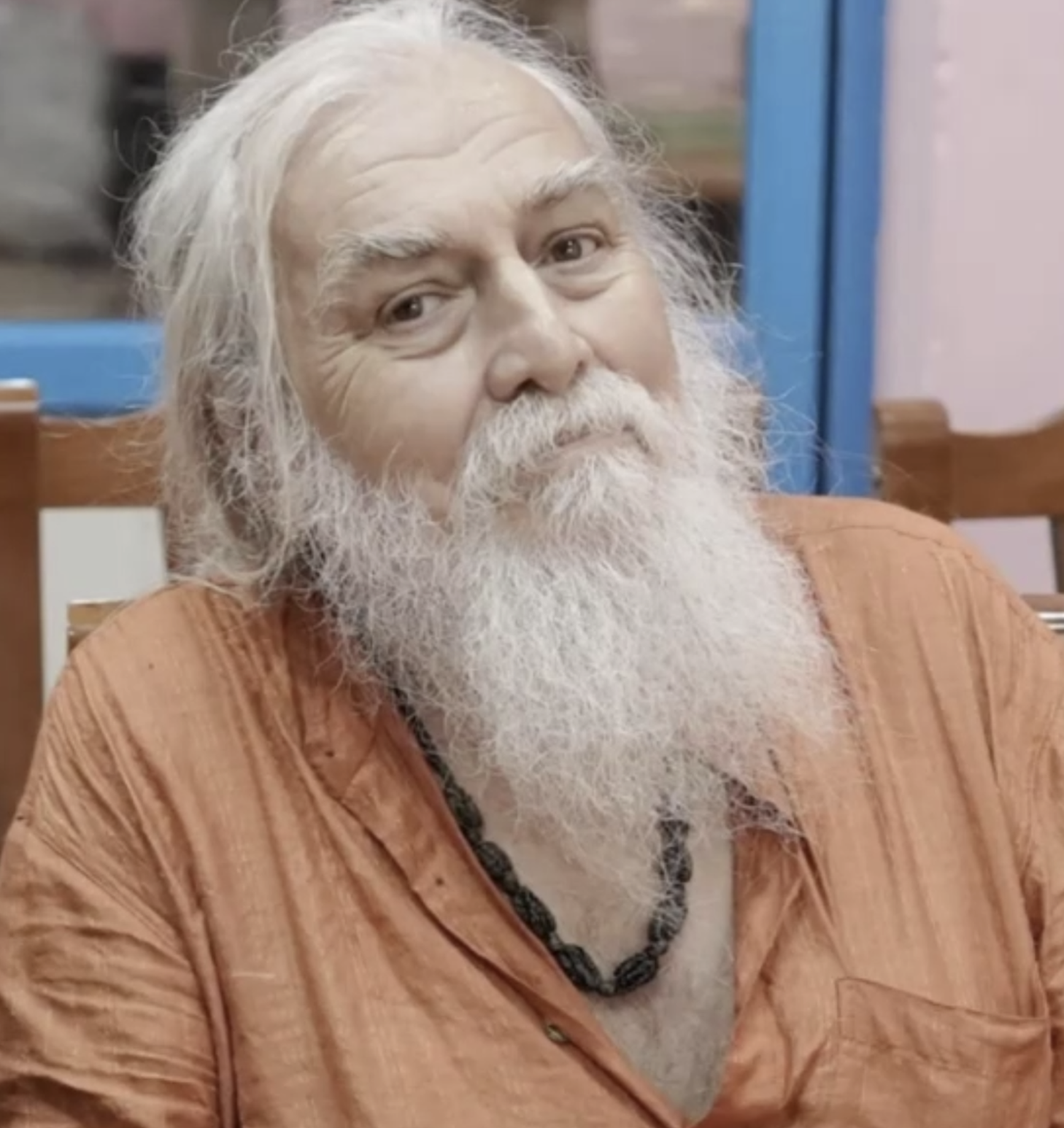
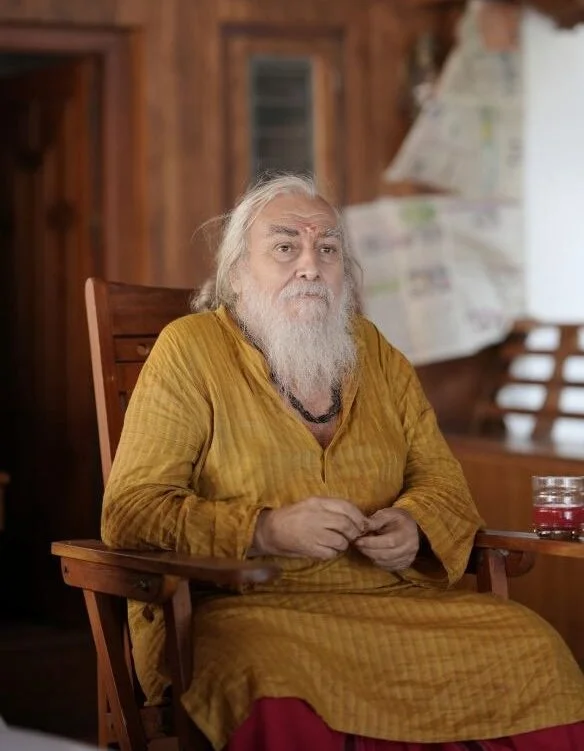
Rājānaka Mark Dyczkowski
Mark S. G. Dyczkowski (known affectionately to his students as Markji) was a scholar, translator, and teacher of the non-dual Śaiva traditions of India, especially the Trika lineage of Kashmir Śaivism. For decades, he devoted his life to the study, translation, and transmission of Sanskrit texts whose depth, subtlety, and philosophical rigour had long resisted easy access in the modern world.
Trained in both classical Indology and lived tantric practice, Markji was rare in embodying both with equal integrity. His scholarship was exacting and uncompromising, yet always in service of something living. He approached texts not as historical artefacts, but as expressions of consciousness, meant to be entered, listened to, and allowed to transform the one who studies them.
His words live on through his students, and through his Anuttara Trika Kula, where he taught for many years, guiding students through primary Sanskrit sources with extraordinary precision, patience, and care. His teaching style demanded attention and responsibility - to conduct, to language, to lineage, and to one’s own inner posture as a student. Yet those who stayed discovered a teacher of fierce passion, kindness, humility, and humour.
To study with Markji was to encounter a particular quality of transmission. His words - often long, carefully constructed, and densely layered (and with endless footnotes!) - carried more than meaning. They oriented. They clarified. They awakened recognition. Many students speak of moments when a single sentence dissolved years of misunderstanding, not through simplification, but through exactness.
Beyond his published works and formal teachings, Markji left an imprint that cannot be catalogued - in handwritten notebooks, in recorded lectures, in conversations remembered decades later, and in the lives of those who were fortunate enough to spend time in his presence.
This project, Markji’s Words, arises from that living legacy. It is an act of remembrance and care. An offering shaped by gratitude. So that his words may continue to live, work, and awaken recognition in those who encounter them.